Guanaco

guanicoe mud

Common name

Guanaco

Habitat

Steppes, deserts, arid scrublands, high-altitude grasslands and temperate forests.
Features

Family

camelidae

Order

Artiodactyla

Class

Mammalia

Gestation

11 months

Number of offspring

1 per litter

Breeding programs

There are programs in zoological centers and nature reserves for their conservation and study.

Diet

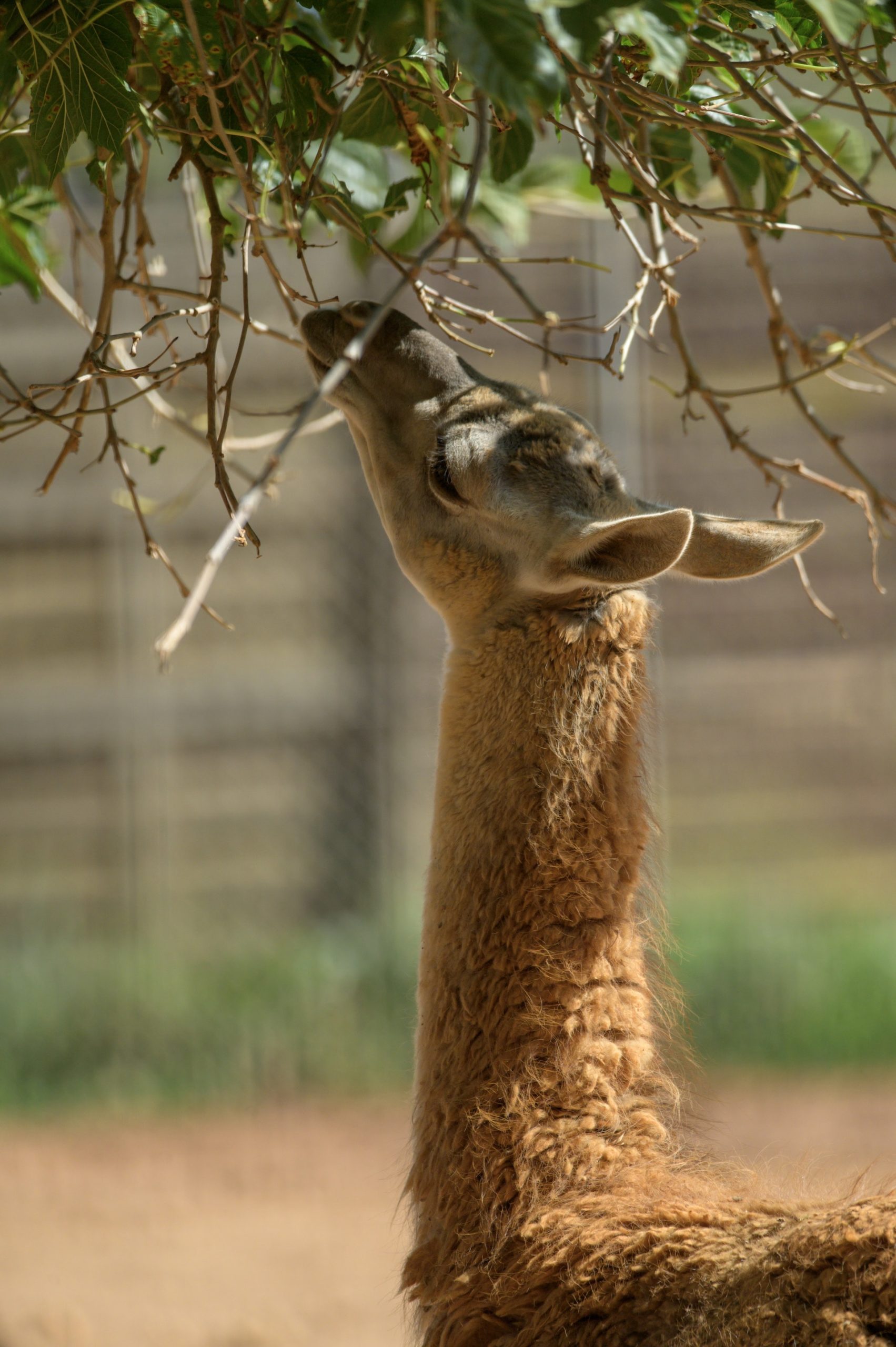
It feeds on grasses, herbs, shrubs, and lichens. Its digestive system allows it to extract nutrients from low-quality vegetation.

Life Insurance

In the wild: 20–25 years. In captivity: Up to 28 years

Biology and Behavior

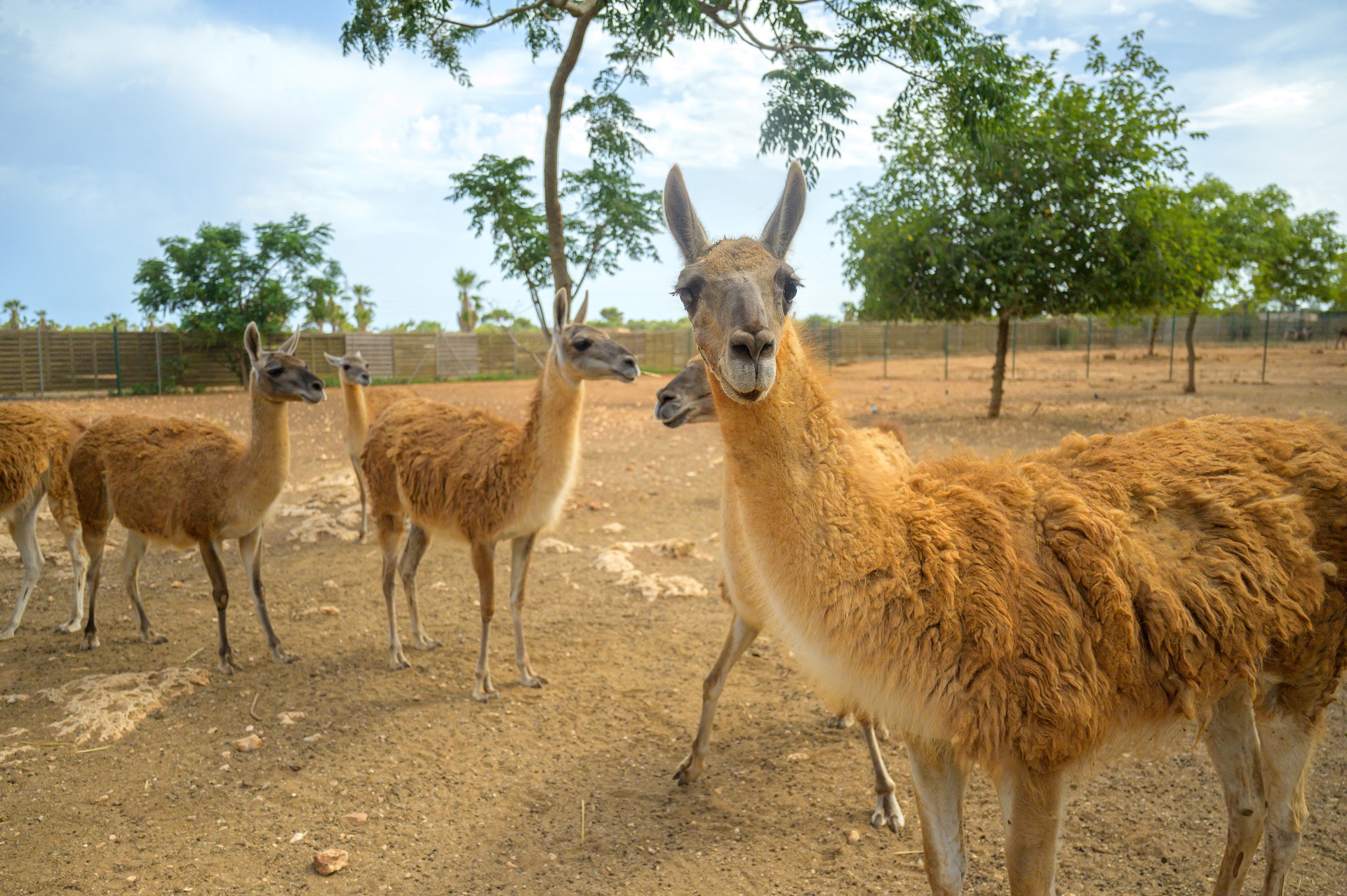
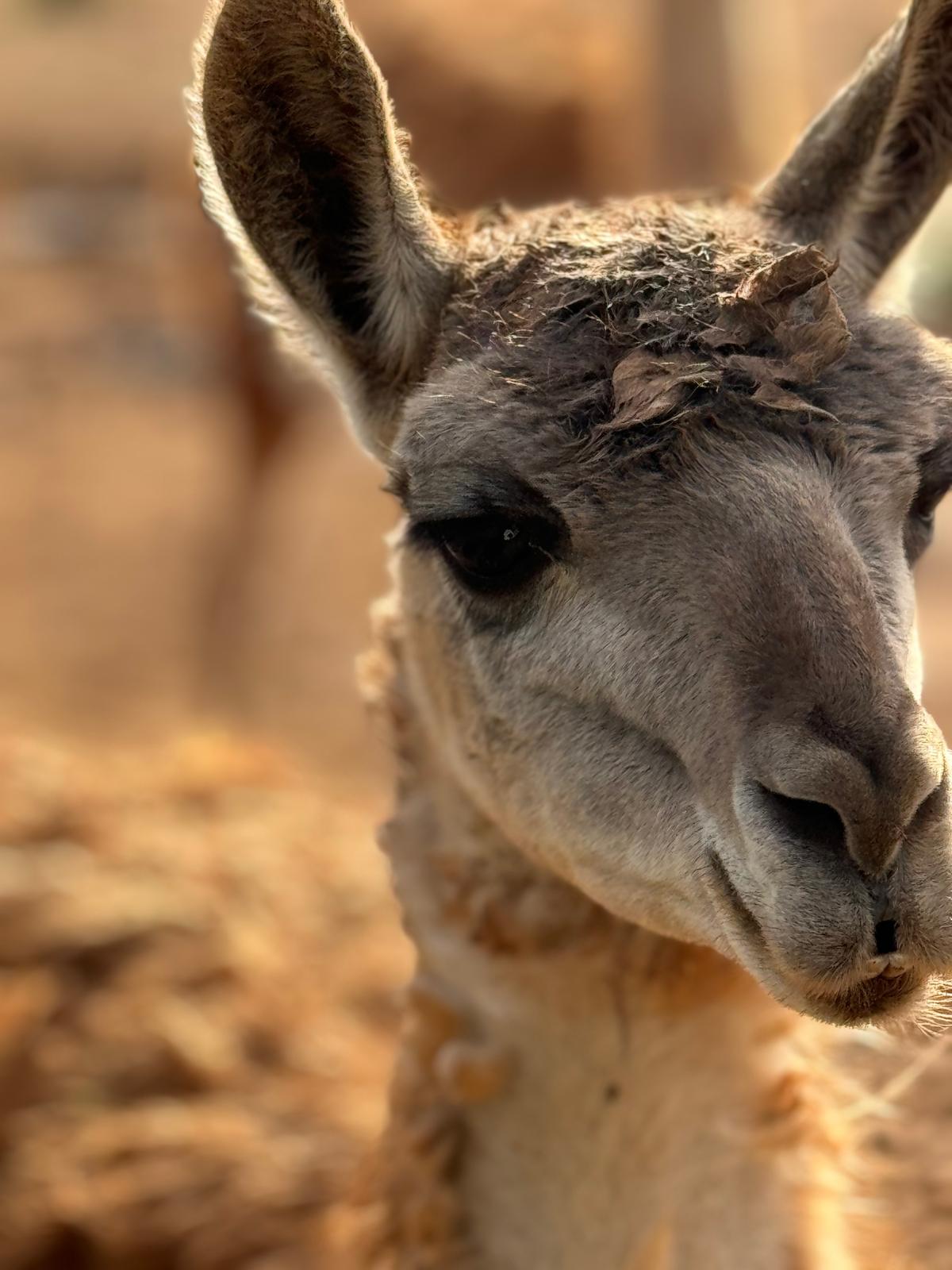
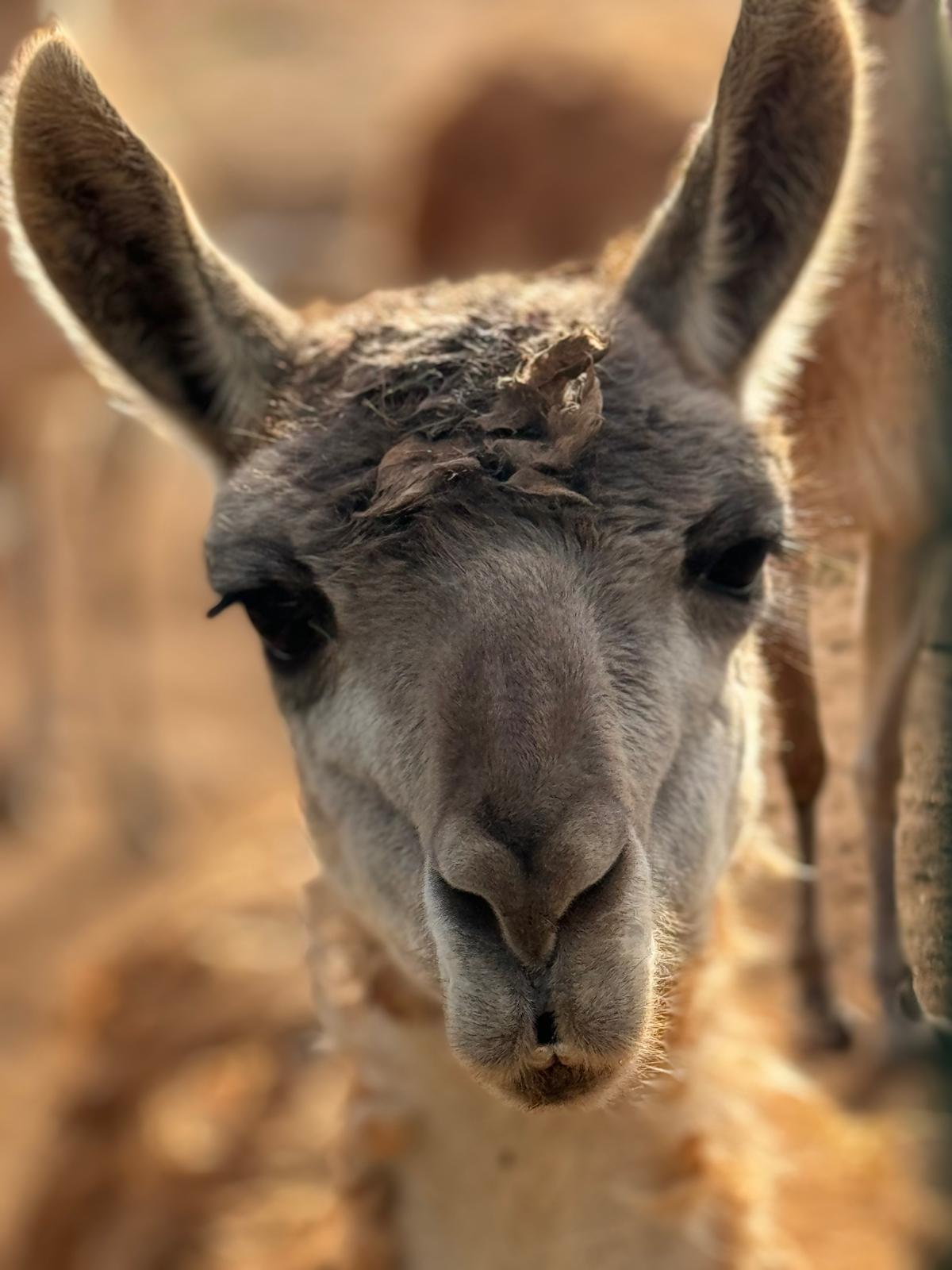
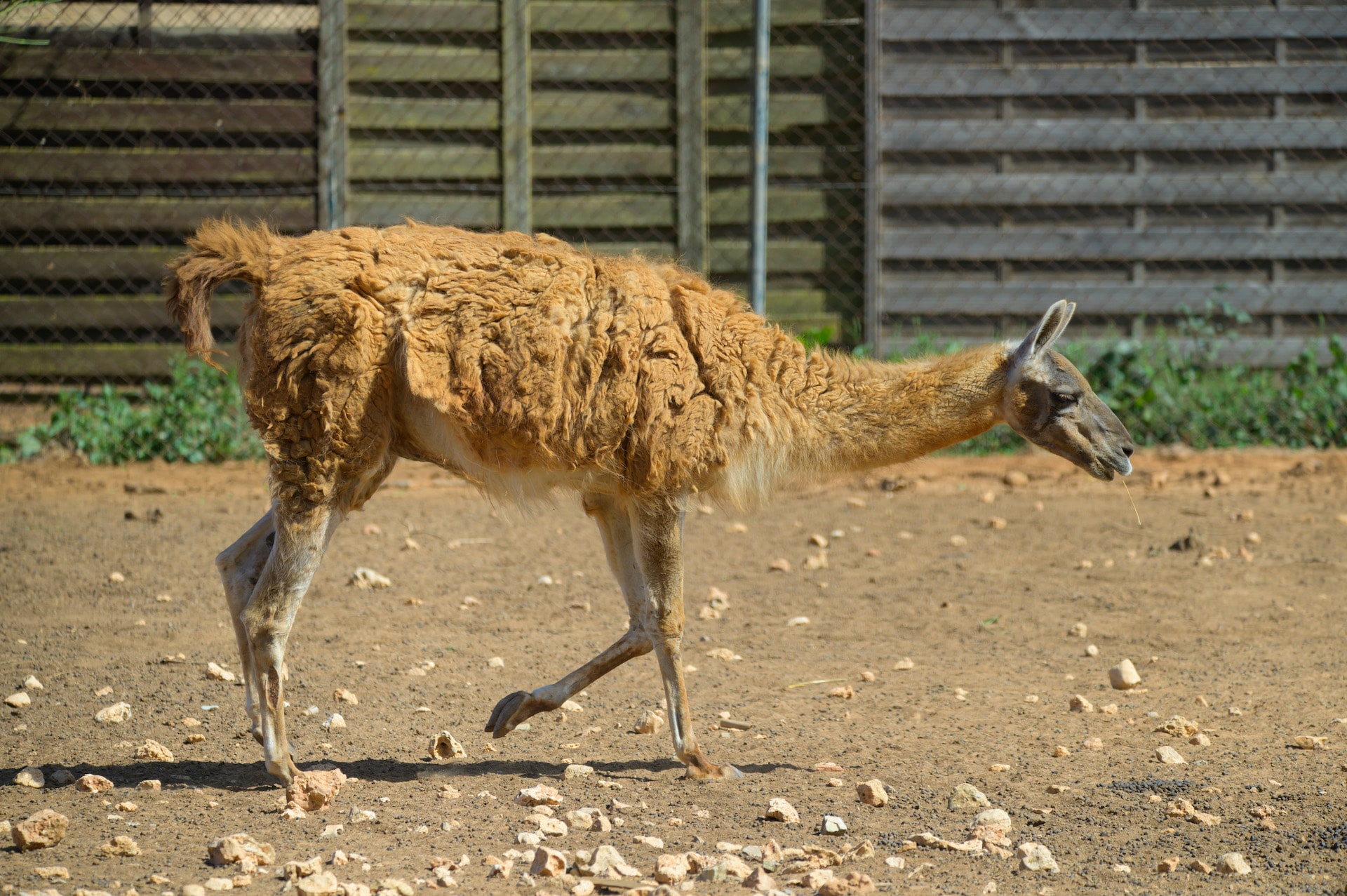
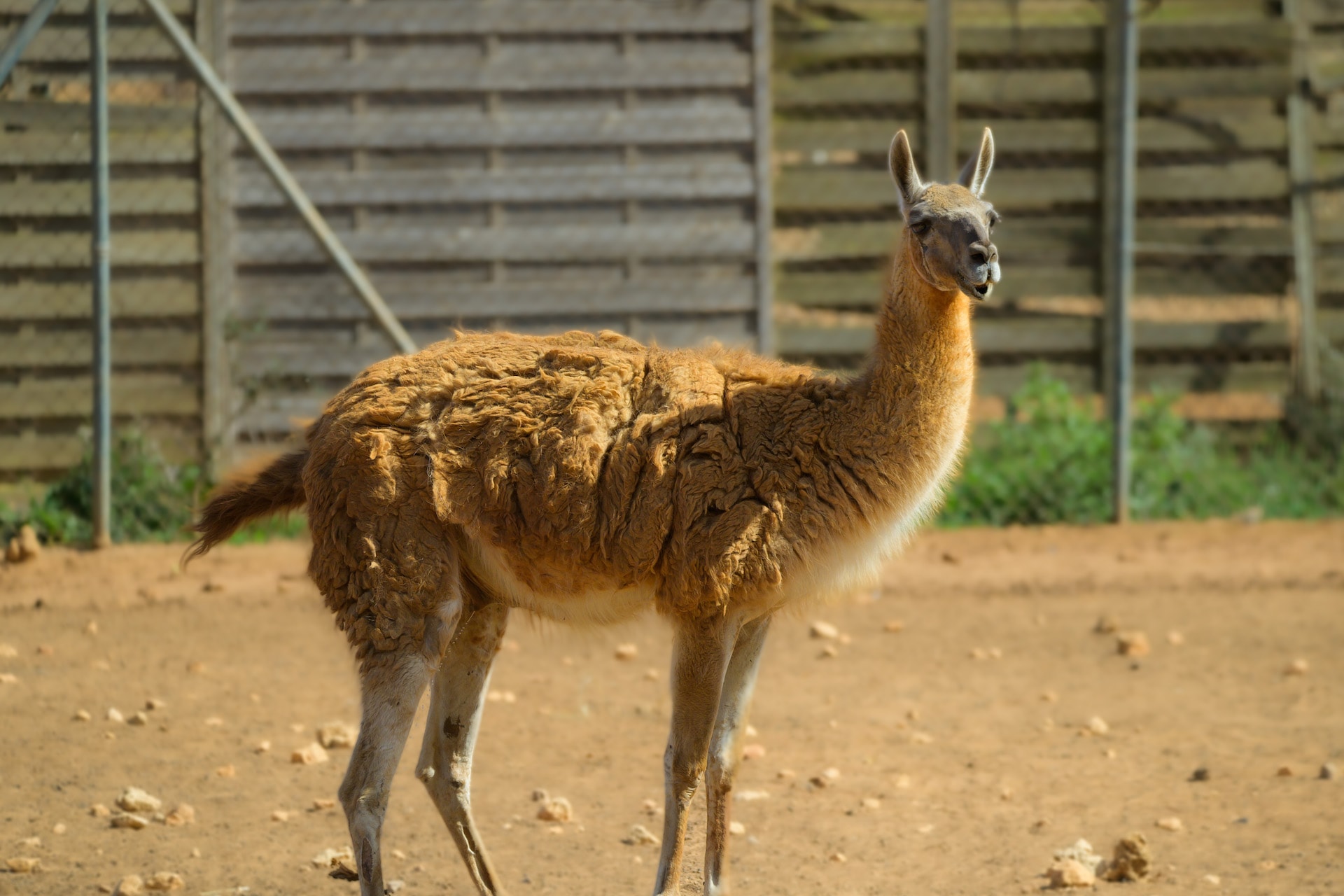
The guanaco (guanicoe mud) is the largest wild camelid in South America, a direct ancestor of the domesticated llama. It has a slender body, a long neck, and slender legs, adaptations that allow it to move nimbly in open, arid terrain. Its dense, woolly coat protects it from the low temperatures and strong winds of its habitat. Guanacos inhabit a wide variety of ecosystems, from the Patagonian steppes to the Andean highlands, demonstrating remarkable ecological adaptability. Their specialized digestive system allows them to efficiently exploit the scarce vegetation available in arid environments. Furthermore, they have the ability to drink brackish water and obtain moisture from the plants they consume, allowing them to survive in areas where fresh water is scarce. These physiological and behavioral adaptations have been key to their success in extreme environments.

Guanacos are social animals that live in family groups led by a dominant male, accompanied by several females and their young. Young males, upon reaching maturity, are expelled from the group and form bachelor troops or live solitary lives until they can establish their own group. During the mating season, males compete fiercely for control of females, using vocalizations and body postures to intimidate their rivals. They are diurnal animals, active during the day and resting at night. When they detect danger, they emit a high-pitched sound to alert the group and flee at high speeds, reaching up to 64 km/h. They also use visual signals, such as the position of their ears and tail, to communicate with each other.

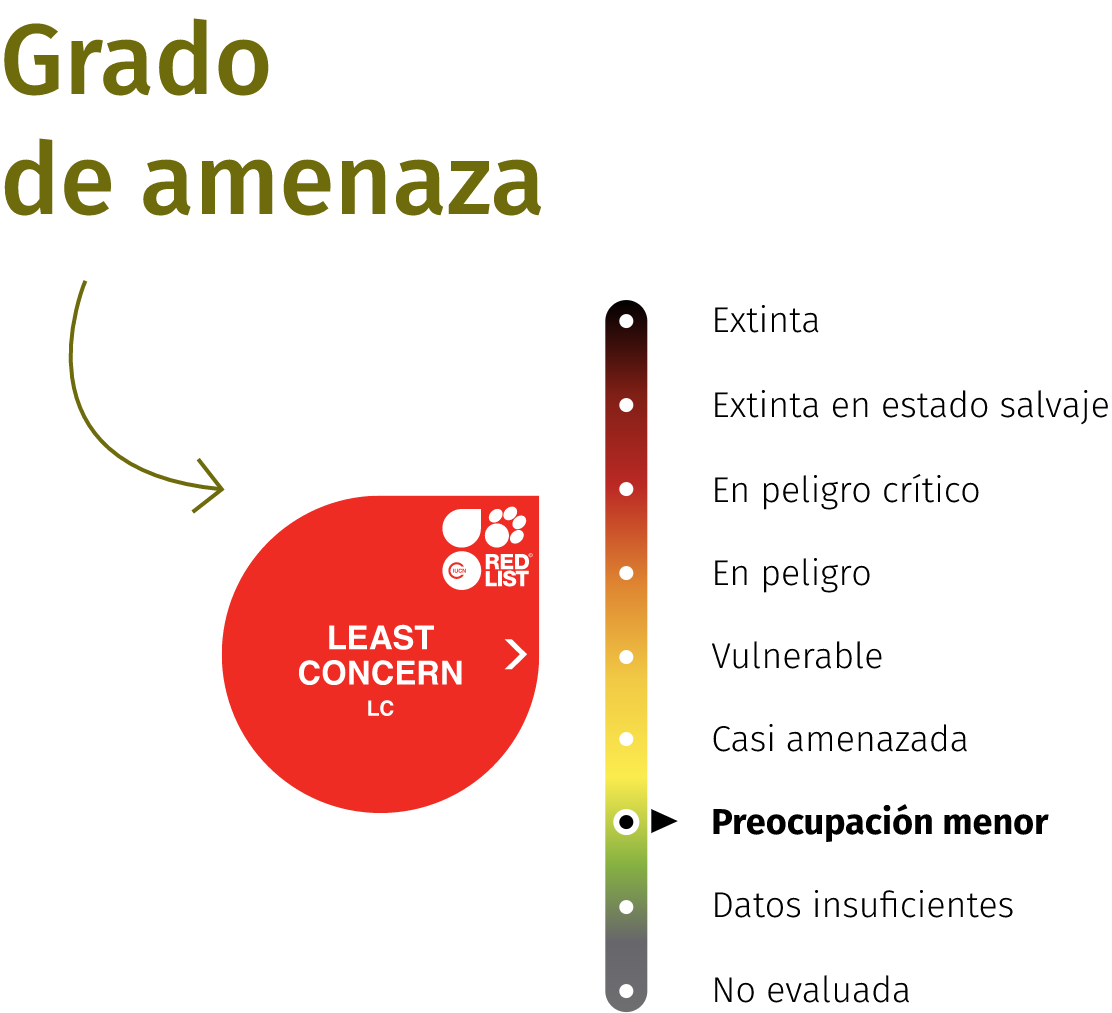
Although the guanaco is classified as "Least Concern" by the IUCN, its populations have suffered significant declines since the arrival of European settlers, primarily due to hunting and habitat loss. In Argentina, which is home to approximately 95% of the world's population, protective measures have been implemented, including a ban on hunting in several provinces and the creation of protected areas. However, in countries such as Peru and Bolivia, populations are more fragmented and face greater risks. The main current threats include competition with domestic livestock for resources, illegal hunting, and physical barriers that impede migratory movements. The inclusion of the guanaco in CITES Appendix II seeks to regulate international trade and promote its conservation.

Some
Interesting Facts

The name “guanaco” comes from the Quechua “wanaku”, used by Andean peoples since pre-Hispanic times.

It is the direct ancestor or shares an ancestor with the domesticated llama, being its wild version.

It can reach speeds of up to 64 km/h, making it one of the fastest mammals in South America.

Its fur is highly valued for its softness, durability, and warmth; although not as fine as the vicuña's, it is more abundant.

It tolerates extreme environmental conditions: from cold deserts to altitudes above 4.500 meters.

It is able to survive for days without drinking water, obtaining the necessary moisture from vegetation.

In times of drought it can drink brackish water, a rare ability among land mammals.

The young, called "chulengos," are able to walk and follow the group within minutes of birth.

Family groups are very territorial and use collective feces as territory markers.

When threatened, they can spit out a mixture of saliva and stomach contents, like other camelids.

They are ruminant animals, with a stomach divided into compartments, although they are not directly related to bovids.

They have a high-pitched alarm call, which alerts the group to the presence of predators such as pumas or foxes.

They are excellent swimmers if necessary, although they rarely cross bodies of water voluntarily.

In winter, its fur becomes thicker to protect itself from the Patagonian frost.

Historically, they were hunted by indigenous peoples for their meat, leather, and wool, making them a vital resource in Patagonia.

Their footprints are characteristic: oval shape and well-separated toes, useful for tracking.

The guanaco has a high ecological value as a key herbivore in arid ecosystems and as prey for large carnivores.

Its original distribution covered almost all of South America, but it is currently fragmented due to human causes.

There are four recognized subspecies, which vary slightly in size and coloration.

It is considered a cultural and natural symbol in several regions of the Southern Cone, and even appears in institutional logos.